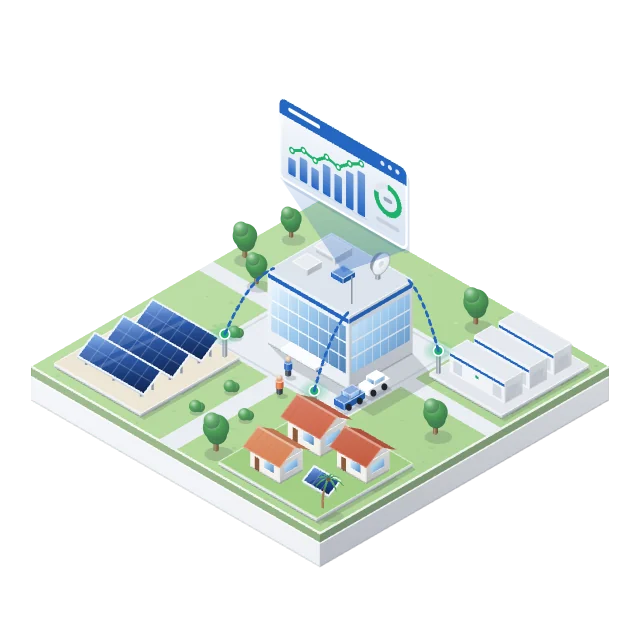

Home Utility Scale Rural Electrification Modules
Utility Wind Hydro Geothermal Village Behavioural Twin Agri Agrivoltaics Aqua Hydroponics Telco Marine Supply Chain Portfolio Jarvis
Investors Platform Request access
DRAG TO ORBIT · HOVER TO INSPECT · CLICK TO FOCUS
Energy access · Rural electrification

Every village.
Ranked, sized, financed, built.

Screen every unelectrified village in a country. Pick the ones to build first. Take each one from a map click to a construction pack, with the paperwork a lender expects.

SDG 7Affordable and clean energySDG 1No povertySDG 8Decent work and economic growth
Priority rankingVillage digital twinSolar + storage sizingTariff studioFunding stackGrant draftingHazard & climateGrid arrivalSocial licenceConstruction packSatellite verification
01 · SCREEN

Rank the whole country.

Six signals per village: households without power, solar resource, distance from the grid, accessibility, hazard exposure and demand. One ranked list, filterable by province, tier and terrain.

02 · TWIN

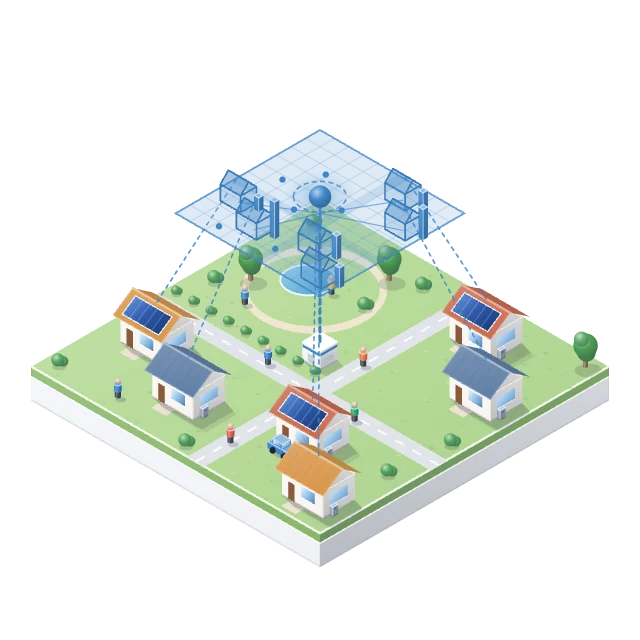
Rebuild the village in 3D.

Real building footprints and heights, road extraction and terrain become a digital twin. The low-voltage network is drawn house by house and checked against code.

03 · SIZE

Size the system hour by hour.

Solar and battery are dispatched across 8,760 hours for 25 years. Yield is reported at P50 through P99, with Monte Carlo runs behind every headline.

04 · FINANCE

Match the money to the village.

Ability to pay, willingness to pay and three tariff scenarios feed a funding stack that bundles the right instruments and pre-fills the applications.

05 · BUILD

Hand the crew a pack.

Bill of quantities with sourced components, pole schedules, drawings, logistics routes and an offline field briefing for the team on the ground.

06 · VERIFY

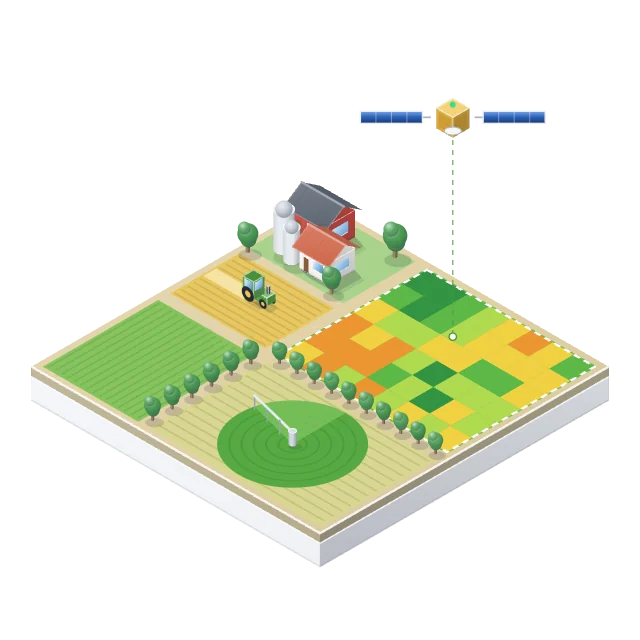
Prove it from orbit.

Built assets are re-observed by satellite. Impact and carbon are measured against what exists, and the result is signed so it cannot be quietly edited.

Capabilities

Everything a feasibility study
should have contained.

Priority ranking

Six weighted signals per village produce a national build order you can defend line by line.

Village digital twin

Buildings, roads and terrain rebuilt from satellite. The low-voltage network is designed house by house.

Solar + storage sizing

Hourly dispatch across 25 years. Probabilistic yield, Monte Carlo risk and a tilt-and-azimuth sweep behind every number.

Tariff & affordability

Ability and willingness to pay modelled per household. Three tariff scenarios, one clear recommendation.

Funding stack & grants

Twelve programme instruments matched to the site. Applications drafted from the run, not from scratch.

Grid intelligence

Predicted medium-voltage grid and expansion timing fused into one arrival signal, with disagreements shown.

Hazard & climate

Nine hazards composited with a five-model climate ensemble across four scenarios. Insurability, not just exposure.

Social licence

Stakeholder maps, consent workflow and a step-by-step engagement playbook, so projects survive contact with people.

Procurement & build

Sourced bills of material, logistics routes for every village, construction packs and offline briefings for field crews.

0Villages indexed and screenedNational coverage
0Provinces with full profilesEvery region
0Funding instruments matchedGrants to debt
0Kilometres of grid predictedArrival timing
A first programme

From a region
to a build order.

A national programme is a list with reasons. These are the four steps that produce it, and each one leaves a document behind.

01 · SCREEN

Rank the region.

Six weighted signals per village, your weights, one ranked list you can defend line by line. Villages the grid will reach soon are flagged so the money goes where it will not.

You get · a ranked list with its reasons
02 · TWIN

Rebuild the shortlist in 3D.

Buildings, roads and terrain from satellite; the low-voltage network designed house by house; solar and storage sized hour by hour across 25 years.

You get · a design per village
03 · FUND

Match the money to the village.

Ability and willingness to pay per household, three tariff scenarios, and a funding stack of twelve instruments with the applications drafted from the run.

You get · dossier and grant drafts
04 · BUILD

Hand the crew a pack.

Bill of quantities, pole schedule, drawings, logistics route and an offline briefing that works with no signal. Then the satellite comes back every year to prove it.

You keep · every file, every run
Why it matters

Small sites,
big money.

A single village is too small for institutional capital and too expensive to study one at a time. Lumen8 removes both problems at once.

01

The study cost disappears

What used to be a bespoke consultant engagement per site becomes a repeatable run. Portfolios of hundreds of villages are screened in an afternoon.

02

Sites become portfolios

Because every village is analysed the same way, they can be bundled into fundable tranches with consistent risk and return figures.

03

Engineering comes with the finance

Lenders see a design, not a sketch. Drawings, bills of material and code checks sit beside the financial model in the same dossier.

04

Impact is measured afterwards

Satellite re-observation and a behavioural twin turn impact from a promise into a measurement, with every result signed.
The dossier

Eight documents.
One run.

01
SummaryDecision brief for leadership
02
FinancialsModel, scenarios, sensitivities
03
TechnicalSystem design and drawings
04
SolarResource and yield analysis
05
EconomicTariffs, affordability, demand
06
EnvironmentalHazard, climate, safeguards
07
GridArrival timing and interaction
08
PoliticalStakeholders and licence to operate
Questions

What programme
teams ask first.

A national build order raises fair questions. Here are the answers.

How are villages ranked?

Six weighted signals per village: households without power, solar resource, distance from the grid, accessibility, hazard exposure and demand. The weights are yours to set, and every rank can be explained line by line.

What if the grid is coming anyway?

The grid-arrival signal fuses the predicted medium-voltage network with expansion timing. Villages likely to be connected soon are flagged, so off-grid money goes where the grid will not.

How is affordability handled?

Ability and willingness to pay are modelled per household, three tariff scenarios are run, and the funding stack is sized to close the gap between a cost-reflective tariff and an affordable one. Twelve programme instruments are matched to each site.

What does the field crew receive?

An offline pack: the bill of quantities, the pole schedule, the drawings, the logistics route and a day-by-day briefing. It works with no signal, and it comes from the same run as the dossier the lender holds.

On the same engine

One village.
Every module it touches.

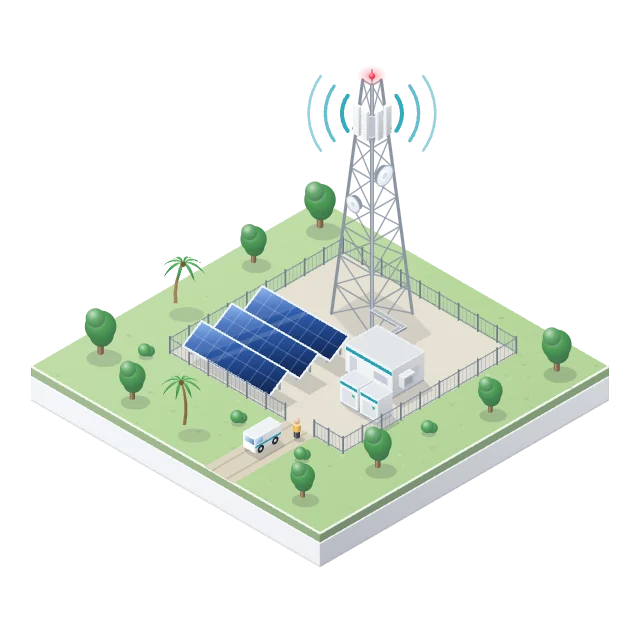
A village is never only a mini-grid. The twin measures what changes for its households, agriculture sizes the pumps and mills, the tower beside it comes off diesel, and the portfolio cockpit runs it all once it is built.

Request access

Bring us a region. Leave with a build order.

Tell us where. We will screen it, pick a village, run the full engine and walk you through the dossier.